This is my personal take on it, from what I learned.
If your wheels aren't properly centered, you just can not get very good results by fiddling with your brakes, it will always lack power or be grinding.
You can test this by standing in front of the wheel and spinning it: If the distance between your brake pads and the rim varies strongly as it rotates (ideally not more than 1mm or so), you should center it.
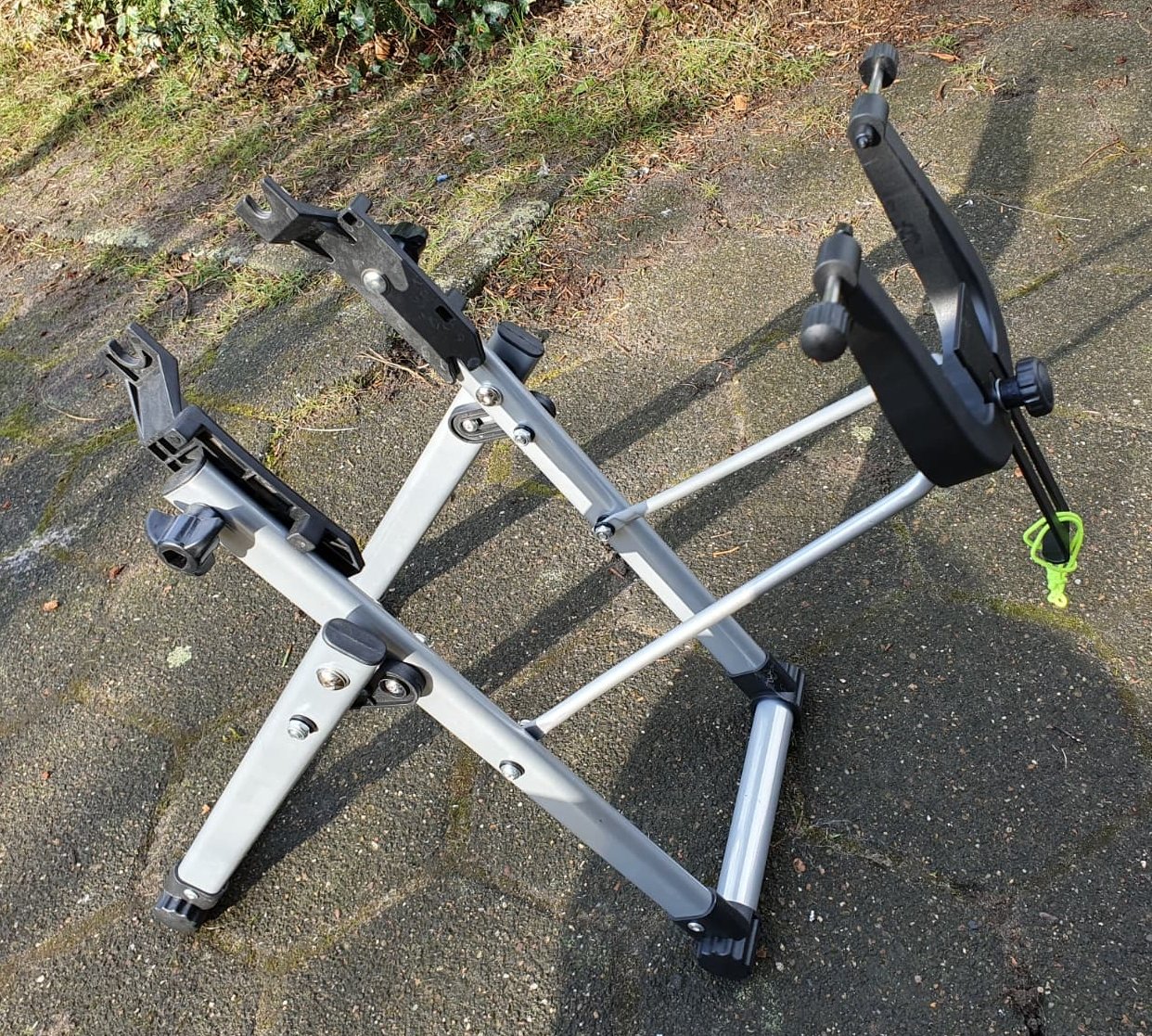
Centering can be done with a spoke wrench, a wheel truing stand and some patience.
A cheap wheel truing stand does the job.
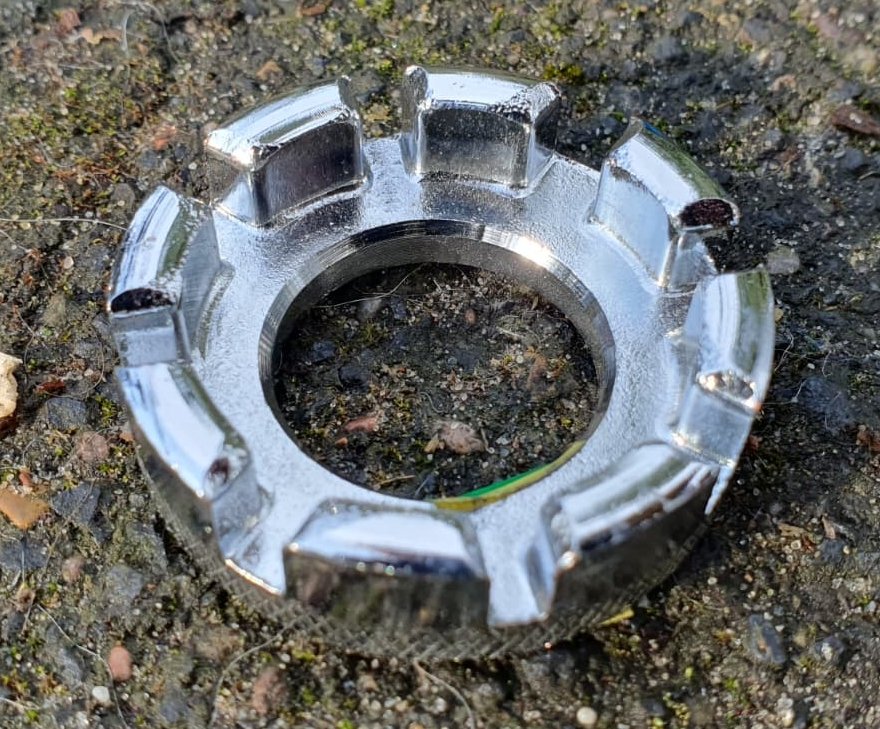
Tightening a spoke (rotate clockwise) pulls the rim in the direction the spoke is attached to (they alternate), loosening it allows it to move away from it.
Brake pads have some fancy spacer nuts, that fit into each other in the shape of a partial sphere (see golden parts below), allowing to rotate the final brake pad position a few degrees in all directions before tightening it.
Add the brake pad to the brake arm and tighten it enough so it doesn't fall off. Move the brake arm so that the brake pad sits flat on the rim, adjust it so it fits the rim nicely. Then in that position, tighten the screw. Apply some counter-force as you finalize and the pad starts to rotate out again.
This ensures when you brake, the full area of the brake pad will hit the rim, not just a tiny part of it, maximizing braking power.
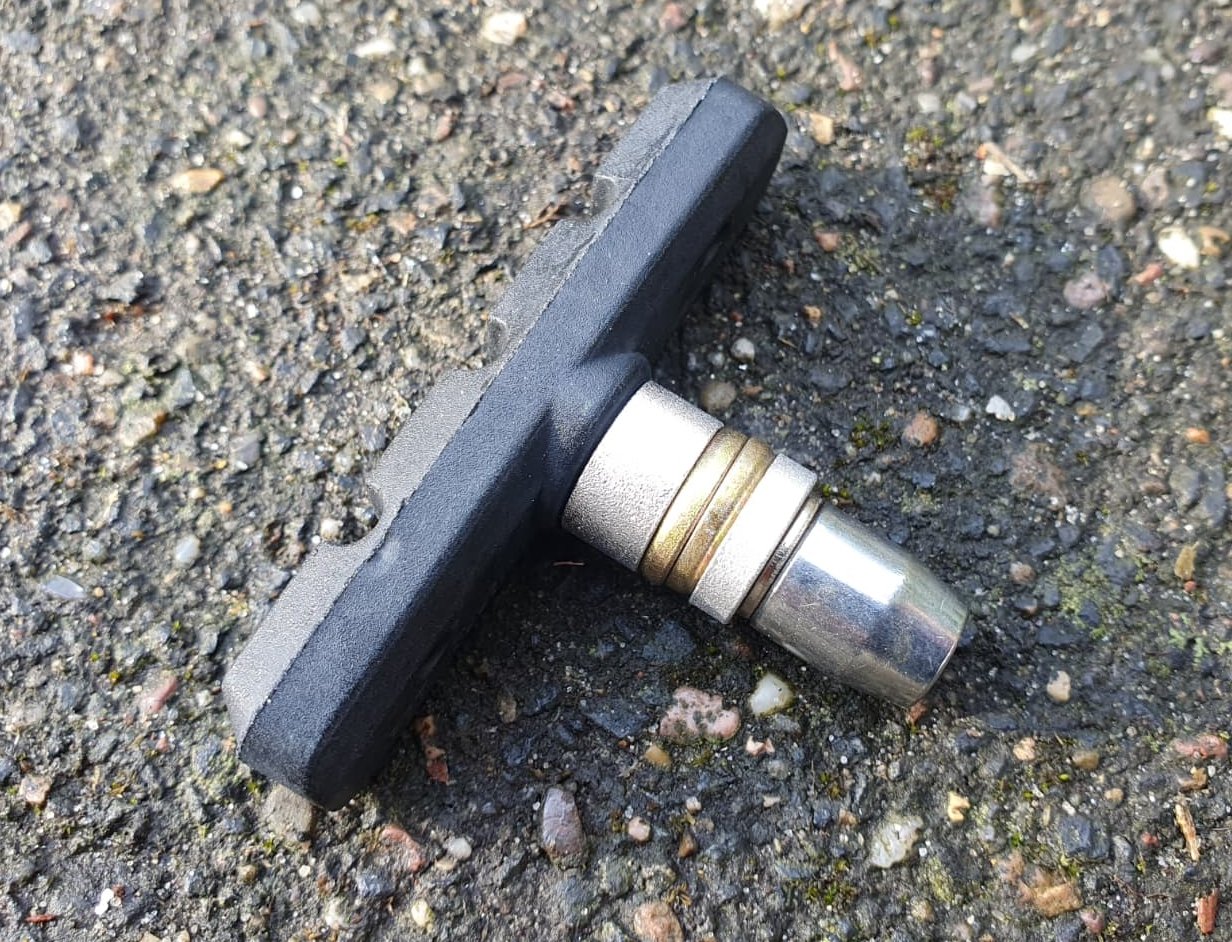
No need to buy new pads unless you used them up over the visible middle line. Make sure distance nuts are arranged so the longer one is the one on the side facing the rim, for a longer lever.
Both brake arms are pulled by the same bowden cable, but their distance to the rim can be adjusted manually. Each arm has a screw to adjust the pretension of the return spring:
Rotating clockwise will increase the tension, moving the brake pad away from the rim. Counter-clockwise will relax it, which will move it closer to the rim.
Since both arms are attached to each other via the brake cable, adjusting one will affect the other and vice versa. Do small adjustments at a time, then a few test breaks so things can settle, then check again and tweak until the distance of both arms/brake pads to the rim is pretty much the same.
They don't have to be close to the rim yet, just equal.
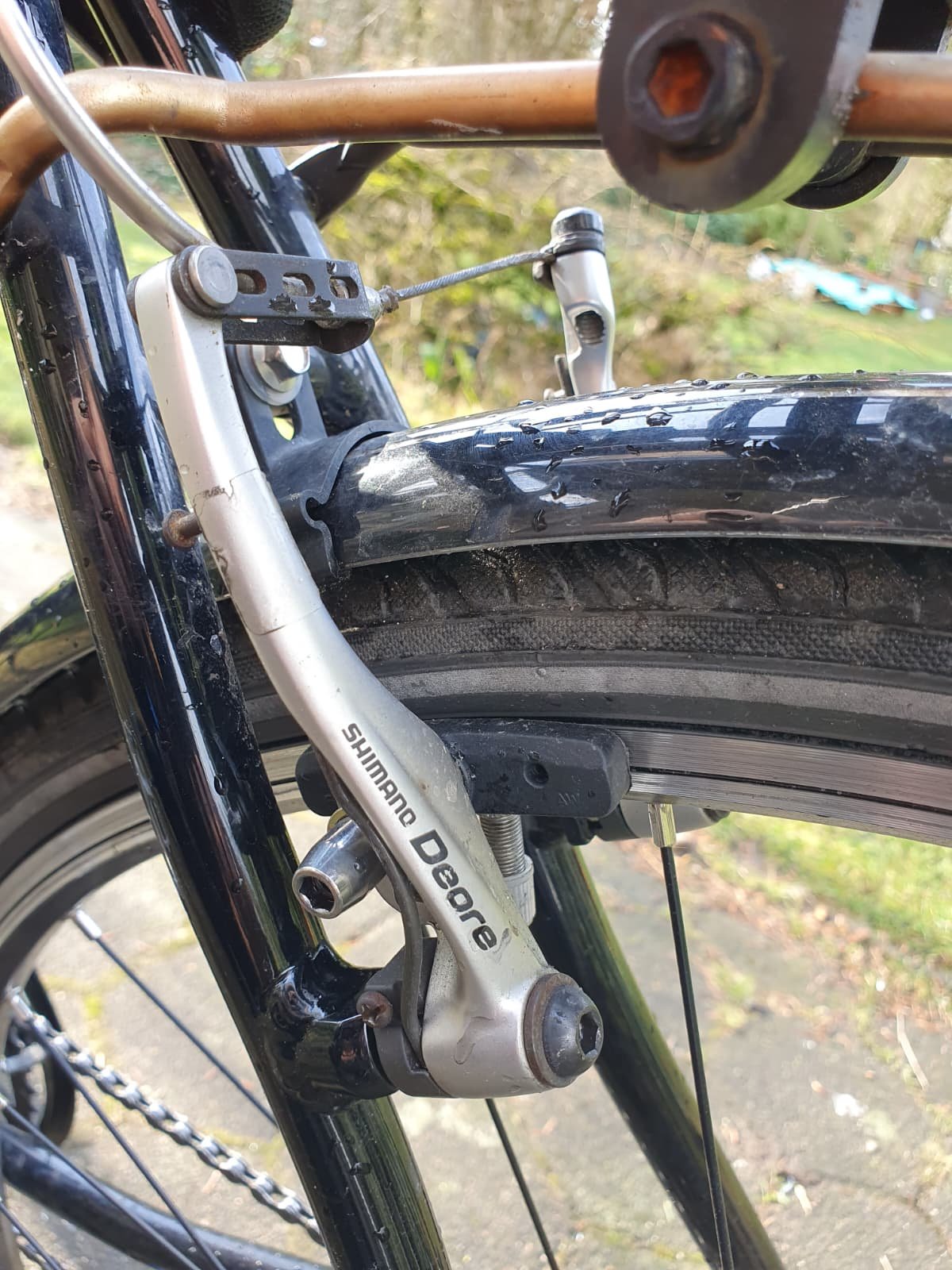
The philipps screw at the bottom of the arm is used to adjust distance to the rim.
The initial setup may have you loosen the allen screw on the top of the right side brake arm, so you can pull on the brake cable and adjust it as needed.
Don't overtighten it, since you can fine-tune things using the barrel adjuster on the brake lever on the handle bar. Tighten the cable to get the minimal distance between brake pads and rims, without any grinding sounds when the wheel turns. Do a few test breaks in between tries.
Since we have removed any sidestroke from the wheel by centering them and we have also equalized the initial distance of brake pads to the rim, this should now be easy.
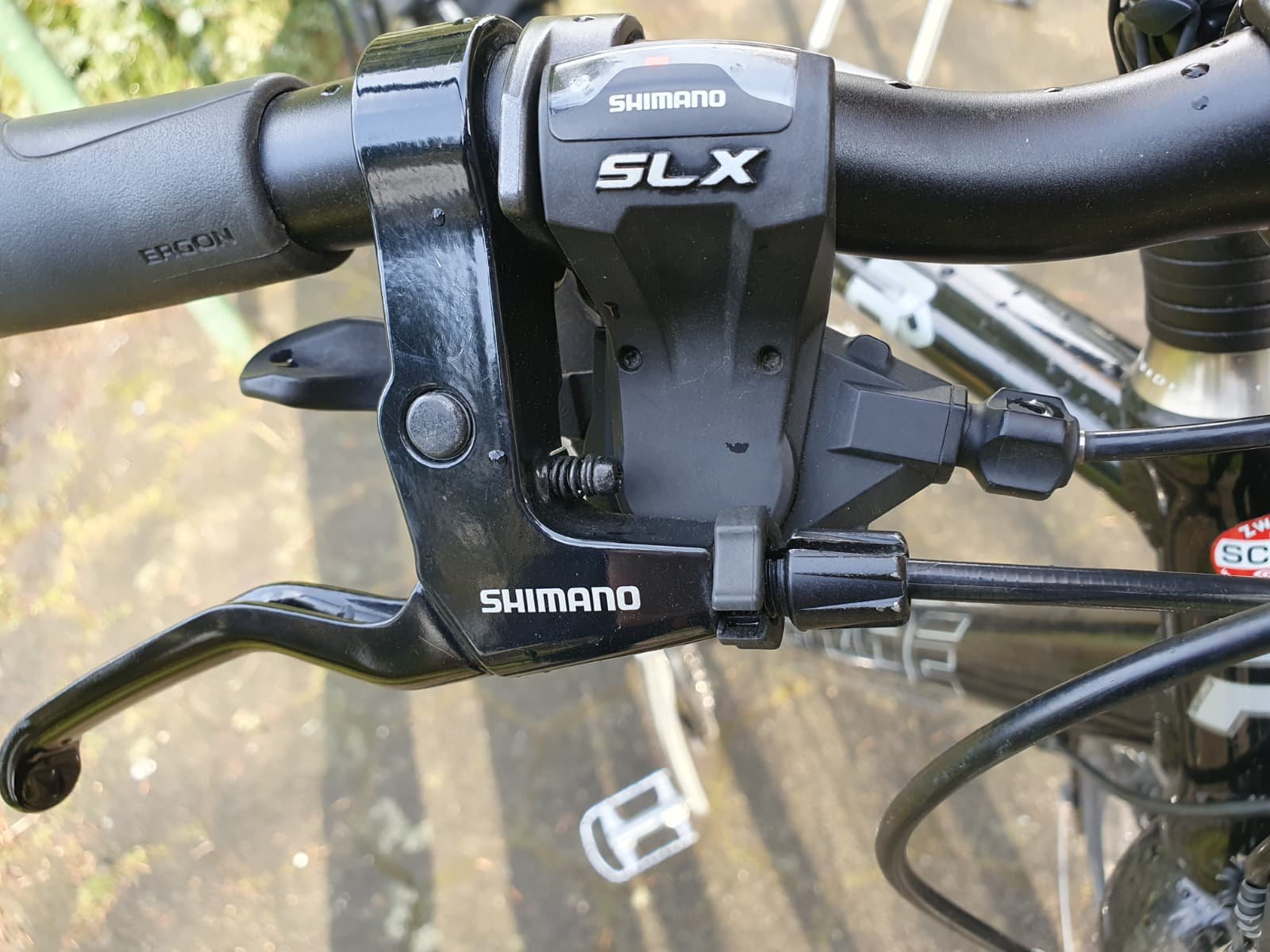
Rotating the barrel adjust will tighten/losen the brake cable for a final tune-up.
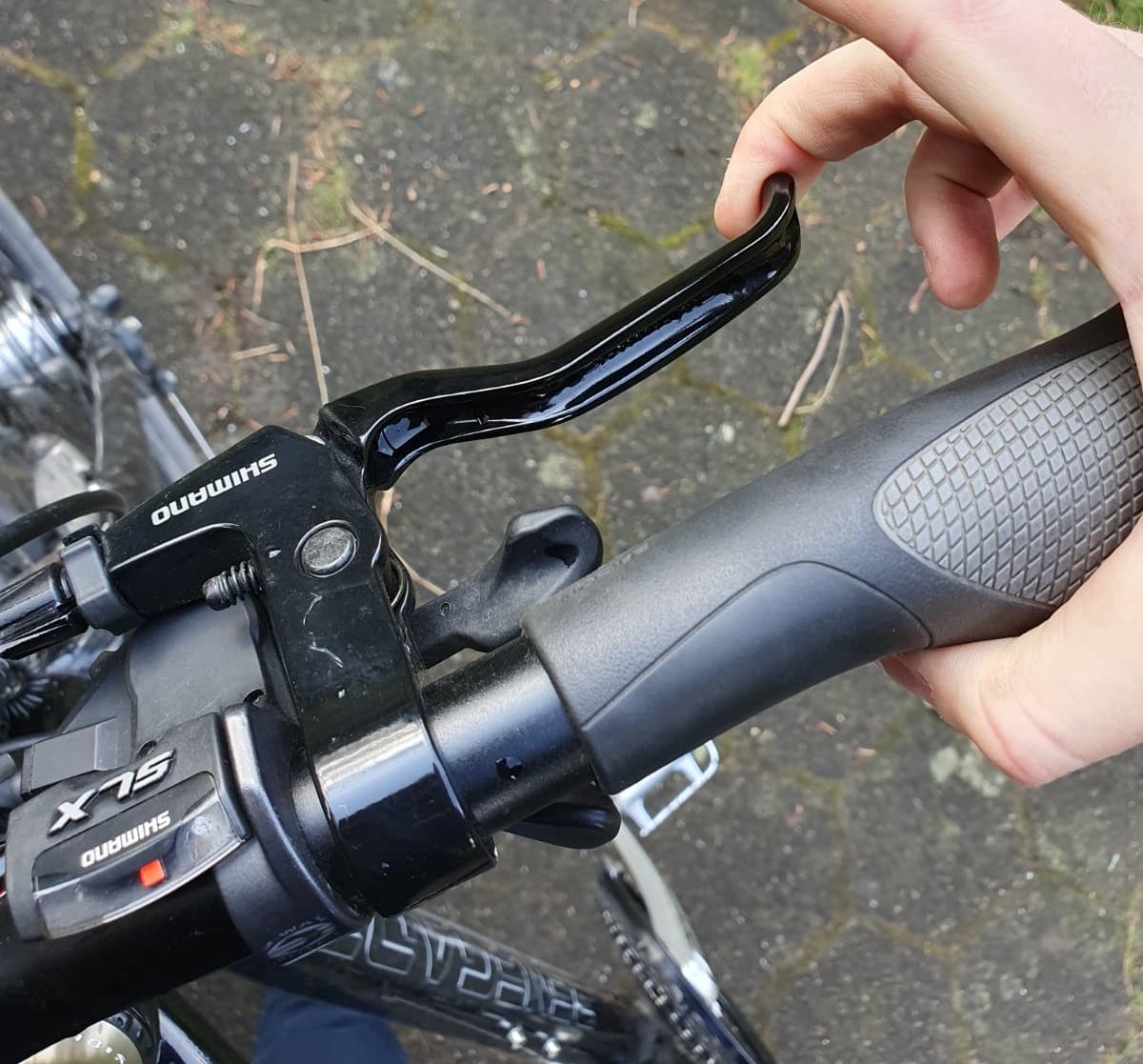
The result: Even just pulling slightly on the brake lever already produces a very satisfying braking power.